Physics Wallah

Kuka Movement: A Religious, Social and Political Uprising in Punjab

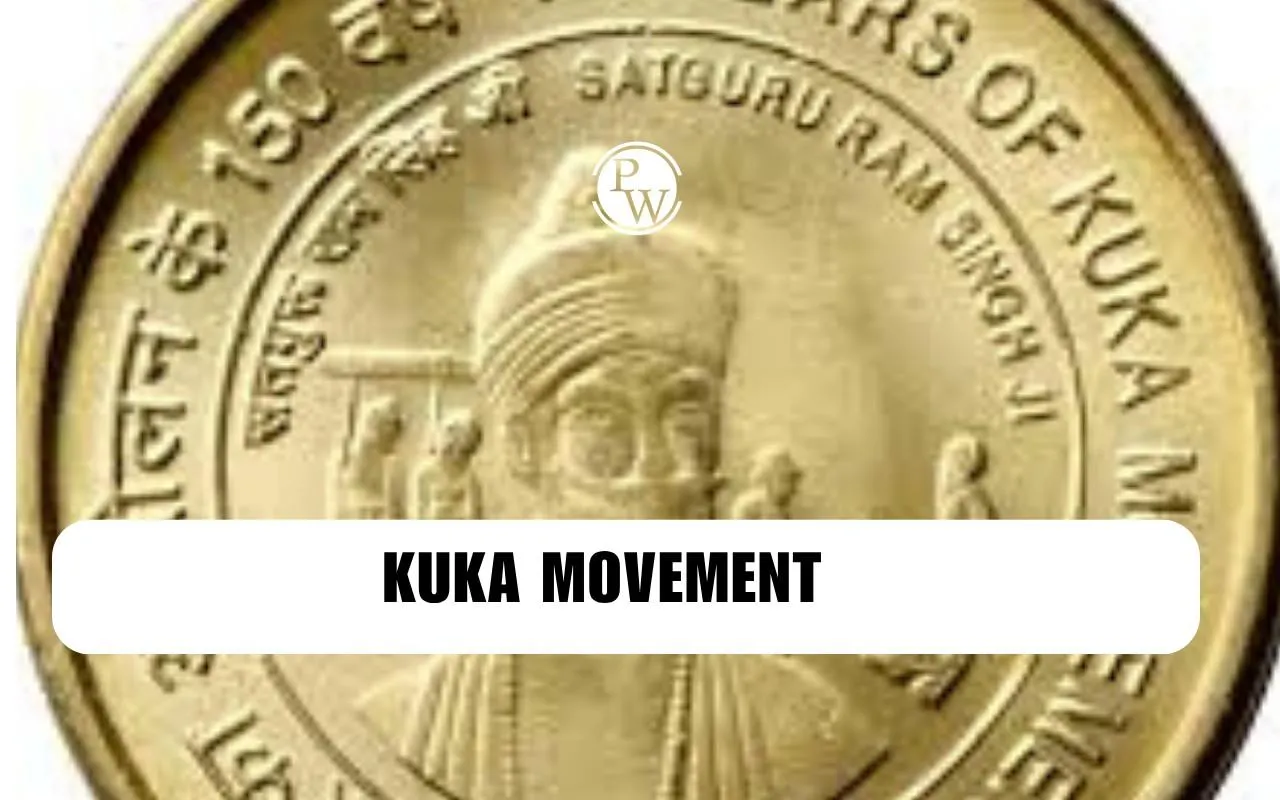
Kuka Movement was a 19th-century Sikh uprising in Punjab led by Baba Ram Singh, promoting religious revival, social reforms and resistance against British colonial rule.

authorImageAnanya Gupta3 Oct, 2025
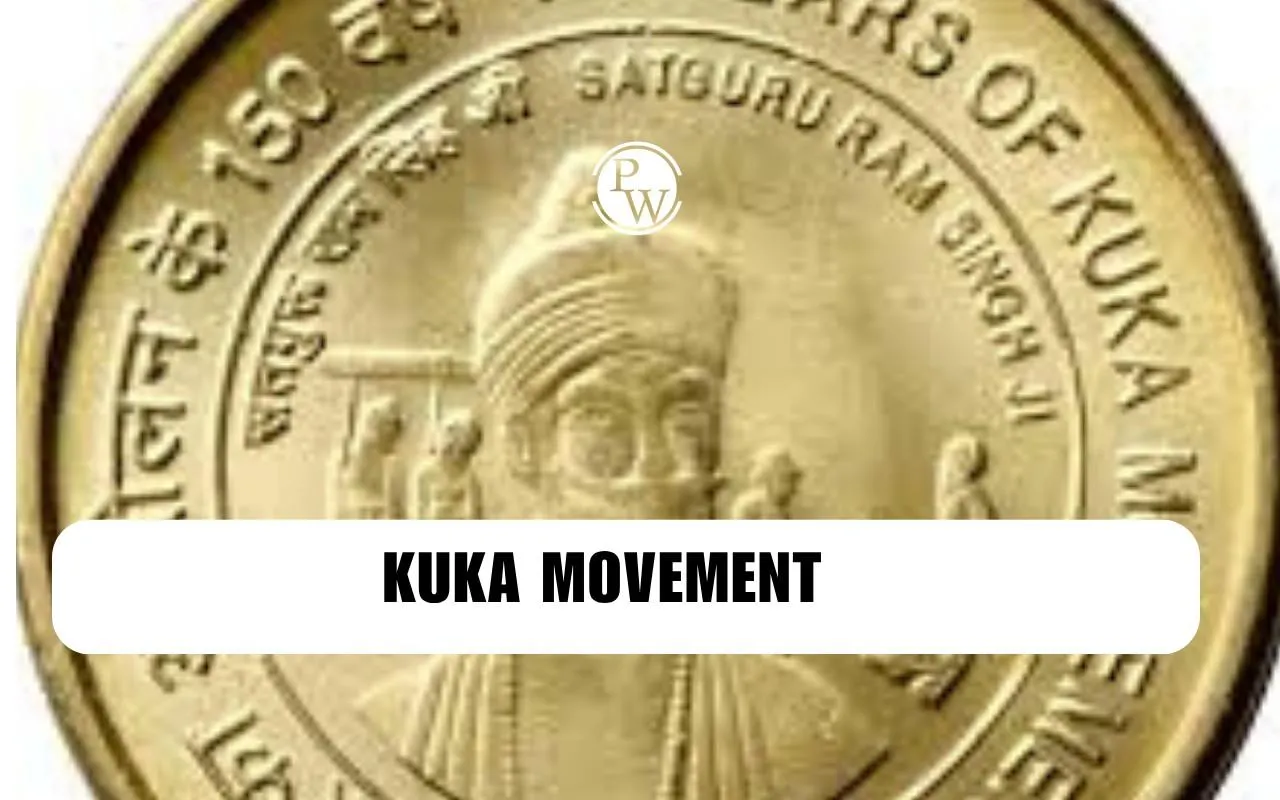
Kuka Movement

Kuka Movement was a significant social, religious and political movement that emerged in Punjab during the mid-nineteenth century. It is also widely known as the Namdhari Movement due to the followers of the movement being called Namdharis. 

The Kuka Movement arose as a response to the British colonial rule in India and the perceived decline in moral and religious values among the Sikh community. It sought to revive the original Sikh practices, promote social reforms and resist British dominance in Punjab.

What is Kuka Movement?

Kuka Movement was a unique combination of religious revivalism and political resistance. It was rooted in the desire to restore Sikhism to its pure form as practiced by Guru Gobind Singh and earlier Sikh Gurus.

 Alongside religious reform, the movement also aimed at addressing social issues such as the abolition of caste distinctions, promotion of women's rights and discouragement of practices like alcohol consumption and meat-eating. The followers known as Kukas were named after the high-pitched style (kook) they used when reciting the Gurbani the teachings of Sikh Gurus.

The movement eventually evolved into one of the earliest organized revolts against British colonial rule in India, making it historically significant not only for Sikh history but also for India's struggle for independence.

Kuka Movement Was Organised By

Kuka Movement was initiated by Baba Ram Singh, who was a religious leader of Sikhism and was strongly influenced by the teachings of Baba Balak Singh and Bhagat Jawar Mal, and this is what led to the Namdhari sect and which was the official onset of the movement on April 12, 1857.

He was significant in organizing the movement, preaching the message of the movement in Punjab and organizing followers towards religious and political movements.

Kuka Movement Started in Which Year

Kuka Movement was actually founded in 1857, the same year as the first large-scale rebellion against British rule in India, often referred to as the Sepoy Mutiny or the Indian Rebellion of 1857.

The wider movement was more of a military uprising, although the Kuka Movement was a mixture of spiritual reawakening, social reformation as well as political opposition. It came when the Sikh Empire had already collapsed in the hands of the British in 1849, and the Punjab region was secured under colonial rule.

The initial phase of the movement was more characterized by religious reformation and reinstatement of the Sikh traditions. Gradually, it grew to accommodate a political agenda to oppose British rule and encourage the self-sufficiency of Punjabis.

Namdhari Identity

The followers of the Kuka Movement were called Namdharis which translates to followers of the Name (Naam) of God. They were commonly referred to as Kukas too because of the high pitched voice when reciting the Gurbani.

The Namdharis stressed a rigid moral code, vegetarianism, sobriety and simple living.

To identify themselves with their religion, Namdharis dressed in white hand-spun clothes and saffron turbans. Their distinctiveness made them stand out of other Sikh groups and their adherence to simplicity, purity and self discipline can be attributed.

Social Objectives of the Kuka Movement

Kuka Movement was not limited to religious reform it also had a strong social agenda. Baba Ram Singh and his followers aimed to improve the social structure within Sikh society. Some of the key social objectives included:

  1. Abolition of Caste Discrimination: The movement sought to eliminate hierarchical divisions within Sikh society and promote equality among all Sikhs.

  2. Women Rights: The movement promoted widow remarriage, intermarriage and permitted women to come out of the isolation, which were traditional norms that limited women involvement in societal life.

  3. Prohibition of Alcohol, Meat and Drugs: Namdharis promoted sobriety and vegetarianism as part of their moral and religious code.

  4. Promotion of Ethical Living: Followers were encouraged to live a life of simplicity honesty and discipline avoiding ostentation and material excess.

Political Objectives of the Kuka Movement

Kuka Movement also had clear political goals, particularly as British control over Punjab became more entrenched. The political objectives of the movement included:

  1. Resistance to British Rule: Namdharis sought to overthrow British authority in Punjab and restore Sikh sovereignty.

  2. Promotion of Swadeshi: Followers were encouraged to boycott British goods and services and to support locally produced clothing, handicrafts and industries.

  3. Non-Cooperation: The movement promoted boycotting British education, laws and governance, laying the foundation for non-violent resistance that would later influence India’s freedom struggle.

Course of the Kuka Movement

Kuka Movement gained momentum through extensive preaching and organizational work. Baba Ram Singh and his followers traveled across Punjab spreading their message and recruiting supporters. They emphasized strict discipline, adherence to Sikh values and preparation for social and political challenges.

The movement reached its peak between 1871 and 1872 when violent confrontations with the British took place. One of the most notable events was the Kuka raid on Malerkotla on January 15, 1872. The British responded with brutal force executing many Namdhari followers using cannons and deporting Baba Ram Singh to Rangoon. 

Despite these setbacks the movement continued to inspire followers and maintained its focus on social reform and resistance against colonial rule.

Features of the Kuka Movement

The Kuka Movement had several unique features that distinguished it from other contemporary movements:

  • One of the key features of the Kuka Movement was religious reform. The movement focused on restoring Sikhism to its original, pure form, rejecting any innovations or corrupt practices that had gradually entered the faith over time.

  • Namdharis wore white hand-spun clothes and saffron turbans symbolizing simplicity, purity and commitment to Sikh values.

  • The movement promoted equality, women rights and eradication of caste-based discrimination.

  • The movement raised consciousness about British exploitation and inspired resistance through non-violent and organized efforts.

Significance of the Kuka Movement

The Kuka Movement holds a significant place in Indian history for several reasons:

  1. Religious Revival: It strengthened Sikh identity and encouraged a return to religious purity.

  2. Social Reforms: By challenging caste discrimination and promoting women rights, the movement laid the groundwork for future social justice initiatives in India.

  3. Political Awakening: The Kuka Movement was one of the earliest organized uprisings against British colonial rule inspiring later freedom movements such as the Swadeshi Movement and the Non-Cooperation Movement.

  4. Economic Self-Reliance: Through boycotts of British goods and promotion of local crafts, the movement encouraged self-sufficiency among Punjabis.

  5. Legacy in Journalism: The Namdharis began publishing newspapers like Satyug in 1920 and Kuka in 1922 to spread their social, religious and political messages.

Jagjit Singh and Later Influence

While the original Kuka Movement was led by Baba Ram Singh later leaders like Jagjit Singh played a role in sustaining the Namdhari community and its traditions in subsequent decades. They helped preserve the teachings, practices and social reforms introduced during the movement. Through these efforts, the Namdhari community continued to be a symbol of resistance religious purity and social reform in Punjab.

Kuka Movement FAQs

What is the Kuka Movement?

In 1857, Baba Ram Singh organised the Kuka Movement, which was inspired by such leaders as Baba Balak Singh and Bhagat Jawar Mal.

What was the date of the beginning of the Kuka Movement?

The movement was an official beginning in 1857 alongside the larger Indian Rebellion in 1857.

Who were the Namdharis?

The members of the Kuka Movement were known as Namdharis. They were also referred to as Kukas due to their high-pitched recital of the Gurbani the teachings of the Sikh Gurus (kook).

How did the Kukas look like?

Namdharis dressed in white, hand-spun clothing and wore saffron turbans and led a simple, disciplined and vegetarian life.
Banner Image
offline
Banner Image
🔥 Trending Blogs
Free Books For UPSC Mains: Preparing for the UPSC Mains exam 2026 requires comprehensive and reliable study materials. Therefore, to help aspirants in their preparation journey, Physics Wallah offers a compiled collection of free UPSC Mains books, essential study materials, and PDF resources. From detailed booklets to extensive question banks, aspirants can explore a repository of free UPSC material at 'pwonlyias.com/downloads'. Explore now! Enroll Now for UPSC Course Free Books for UPSC Mains 2026 To succeed in India's toughest exam, it's essential to expand your knowledge. Candidates often use newspapers, books, the internet, and other sources. There are many books available with unique and helpful insights, but choosing the right ones is crucial. Many UPSC preparation books are filled with too much content, are time-consuming, and contain technical terms or irrelevant information. It's better to rely on a few good sources and update your knowledge with new information as needed, rather than trying to read multiple books. Keeping this in mind, PWONLYIAS brings you a collection of free books for UPSC Mains in PDF form, including: Current Wallah Monthly Magazines  Editorial Summaries (Daily + Monthly) Monthly Editorial Q/A Compilation NCERT Wallah  Prahaar (Static+Current) Prahaar Summary Mains Marks Booster Series  Mains Wallah UPSC PYQs with Model Answers Optional PYQs Budget and Economic Survey  Free UPSC Books PDF PW offers a wide range of free UPSC books in PDF format, making it easy for students to access required study materials anytime, anywhere. These resources cover essential topics required for the Mains exam, ensuring a thorough preparation process. Prahaar (Mains Wallah)  PWOnlyIAS Prahaar Mains Booklets offer a complete and easy-to-understand study package for UPSC Mains aspirants. The set includes 14 booklets covering the UPSC syllabus 2026, with topics like Economy, Environment, Ethics, and Polity. The content is well-researched with updated data, facts, and examples. Prahaar also includes previous years' questions (PYQs) and important keywords for quality answers, making revision simple. The list includes: Prahaar For Mains Current Affairs Enroll Now for UPSC Course Prahaar Booklet List PRAHAAR ECOLOGY & ENVIRONMENT  PRAHAAR ECONOMY AND ECONOMIC DEVELOPMENT  PRAHAAR ETHICS PRAHAAR GOVERNANCE  PRAHAAR INDIAN POLITY AND CONSTITUTION  PRAHAAR INDIAN SOCIETY  PRAHAAR INTERNAL SECURITY  PRAHAAR INTERNATIONAL RELATIONS  PRAHAAR MODERN INDIA  PRAHAAR POST INDEPENDENCE INDIA  PRAHAAR SCIENCE AND TECHNOLOGY  PRAHAAR SOCIAL JUSTICE  PRAHAAR WORLD HISTORY  PRAHAAR GEOGRAPHY and DISASTER MANAGEMENT  UPSC Mains Wallah Q&A Bank The PW Mains Wallah QnA Bank is a comprehensive 4-book series designed to assist students in preparing for the UPSC Mains exam. Here are some key features: Extensive Coverage: Includes over 1000 questions with answers tailored to UPSC trends and syllabus. Organized Content: Subject and topic-wise segregation for easy understanding. UPSC Focused: Answers designed to meet the standards and expectations of the UPSC examiners. One-Stop Solution: Provides all the necessary resources for effective Mains preparation. Practice UPSC Mains Answer Writing UPSC Mains Test Series Click Here UPSC Mains Daily Answer Writing Click Here Free Books for UPSC Mains - Mains Wallah PYQs UPSC Mains Previous Year Question Papers are essential for understanding the exam pattern and preparing effectively. Here's a UPSC Mains Previous Year Questions PDF Download by PW offers: In-Depth Analysis:  Understanding the pattern, topics, and difficulty levels of previous year papers to create a study plan. Types of Questions: Descriptive questions that test the ability to write structured answers on a variety of topics, including Essay, GS-I to GS-IV, Optional Subjects, and Language Papers. Analyzing Trends: Identifying recurring themes and topics to prioritize preparation and understand the balance between static and dynamic content. Time Management: Learning techniques to manage study time effectively and enhance productivity. Revision Strategy: Regularly revising key concepts and current affairs, focusing on weak areas to strengthen them. UPSC Mains Marks Booster Series PWOnlyIAS Mains Marks Boosters is designed to help you improve your scores in the UPSC Mains exam 2026. Available in both English and Hindi, this series offers a variety of resources to boost your preparation. 100+ Key Terms in Ethics 60 Case Studies: Ethics Art of Answer Writing Booklet Art of Essay Writing Booklet Important Committees and Their Recommendations Important Constitutional Articles and Amendments Important Facts and Data Summary Important Judgments and Judicial Doctrines NITI Aayog Best Practices Summary Enroll Now for UPSC Course Benefits of Free Books for UPSC Mains by PW Choosing the right books for UPSC IAS preparation 2026 is very important. Here is why: Essential for Preparation: Choosing the right books is crucial for effective UPSC IAS preparation 2026. Comprehensive Resources: PW offers a wide array of free books and study materials to support all stages of your UPSC preparation. Cost-Effective: Accessing free books helps reduce the financial burden of buying numerous study materials, making UPSC preparation more affordable. Quality Content: PW ensures quality content in their free books, which covers the entire UPSC Mains syllabus comprehensively. Updated Information: The free books provided by PW are regularly updated to include the latest information and trends relevant to the UPSC Mains exam 2026. Convenient Access: These free books can be easily accessed online, providing flexibility and convenience in your study routine. Enhanced Learning: Using a variety of books and study materials helps reinforce learning and provides different perspectives on the same topic. Explore our online courses for UPSC Mains preparation and get help in your journey. Enroll now!

Popup Close ImagePopup Open Image
Talk to a counsellorHave doubts? Our support team will be happy to assist you!
Popup Image
Join 15 Million students on the app today!
Point IconLive & recorded classes available at ease
Point IconDashboard for progress tracking
Point IconMillions of practice questions at your fingertips


Download ButtonDownload Button
Banner Image
Banner Image
Free Learning Resources
Know about Physics Wallah
Physics Wallah is an Indian edtech platform that provides accessible & comprehensive learning experiences to students from Class 6th to postgraduate level. We also provide extensive NCERT solutions, sample paper, NEET, JEE Mains, BITSAT previous year papers & more such resources to students. Physics Wallah also caters to over 3.5 million registered students and over 78 lakh+ Youtube subscribers with 4.8 rating on its app.
We Stand Out because
We provide students with intensive courses with India’s qualified & experienced faculties & mentors. PW strives to make the learning experience comprehensive and accessible for students of all sections of society. We believe in empowering every single student who couldn't dream of a good career in engineering and medical field earlier.
Our Key Focus Areas
Physics Wallah's main focus is to make the learning experience as economical as possible for all students. With our affordable courses like Lakshya, Udaan and Arjuna and many others, we have been able to provide a platform for lakhs of aspirants. From providing Chemistry, Maths, Physics formula to giving e-books of eminent authors like RD Sharma, RS Aggarwal and Lakhmir Singh, PW focuses on every single student's need for preparation.
What Makes Us Different
Physics Wallah strives to develop a comprehensive pedagogical structure for students, where they get a state-of-the-art learning experience with study material and resources. Apart from catering students preparing for JEE Mains and NEET, PW also provides study material for each state board like Uttar Pradesh, Bihar, and others

Copyright © 2026 Physicswallah Limited All rights reserved.